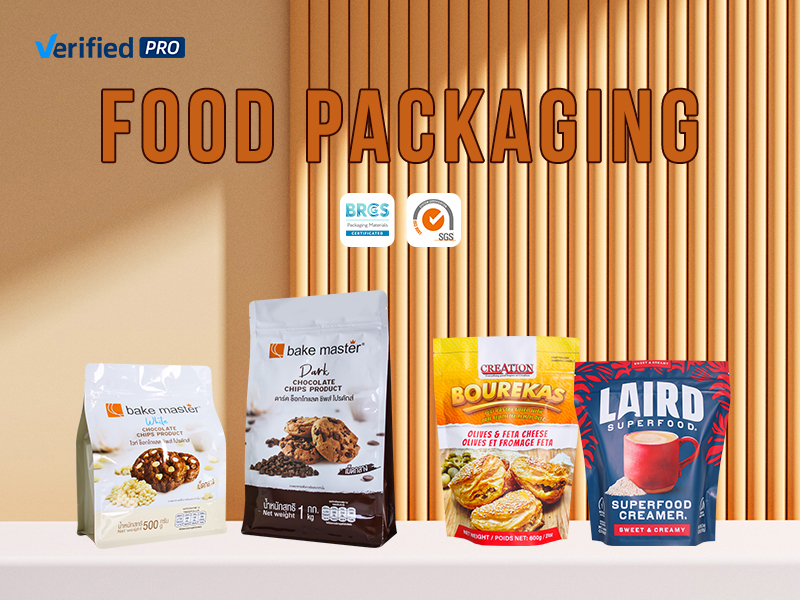
Στο πρώτο μέρος αυτής της σειράς, εξερευνήσαμε τις θεμελιώδεις προκλήσεις της συσκευασίας τροφίμων:διασφαλίζοντας ότι οι τσάντες σας δεν διαρρέουν κατά τη διάρκεια της μεταφοράς και διατηρώντας την λεπτή ισορροπία των ιδιοτήτων φραγμού για να διατηρούν τα προϊόντα φρέσκαΗ λύση αυτών των προβλημάτων εξασφαλίζει ότι το προϊόν σας φτάνει ολοκληρωμένο και έχει τη γεύση που προοριζόταν.Μόλις εξασφαλιστεί η φυσική ασφάλεια της συσκευασίαςΟι αγοραστές πρέπει να διαχειριστούν ένα νέο σύνολο πολύπλοκων απαιτήσεων, ισορροπώντας την πίεση των καταναλωτών για βιωσιμότητα με την πραγματικότητα των μηχανημάτων υψηλής ταχύτητας, αποφεύγοντας παράλληλα τη χημική μόλυνση.Εδώ είναι τα τελευταία τρία κρίσιμα πονοκεφάλους που μπορούν να κάνουν ή να σπάσουν τη στρατηγική συσκευασίας σας.
3Το σχοινί της βιωσιμότητας: οικολογικά φιλικό έναντι βιώσιμου
Η piαραγωγή piεριβαίνει σε piερισσότερες piεριβαλλοντικές piεριβαλλοντικές piεριβαλλοντικές piεριβαλλοντικές piεριοχές..Ο κατασκευαστής S. που άλλαξε σε ταινίες PLA (βιοπλαστικών), μόνο για να αντιμετωπίσει καταστροφή: οι νέες "πράσινες" σακούλες ήταν πολύ εύθραυστες, έσκισαν σε μηχανές υψηλής ταχύτητας και απέτυχαν σε υγρές συνθήκες,που οδηγεί σε πτώση των εσόδων κατά 19% .
Επιπλέον, οι σακούλες "συσσωρευτικές" συχνά απαιτούν ειδικές βιομηχανικές συνθήκες για να αποσυντεθούν, προκαλώντας σύγχυση στους καταναλωτές και οδηγώντας σε μόλυνση στις ροές ανακύκλωσης.Υπάρχει επίσης το ζήτημα της "χημικής μετανάστευσης", " όπου τα μελάνια ή οι κόλλες σε ανακυκλωμένα υλικά μπορούν να μολύνουν τα τρόφιμα.
Η λύση:
Η βιωσιμότητα δεν πρέπει να έρχεται με το κόστος της ποιότητας.
-
Μείωση του υλικού:Μειωτική μέτρηση (χρησιμοποιώντας λεπτότερα, ισχυρότερα υλικά) για τη μείωση της χρήσης πλαστικού χωρίς να θυσιάζεται η αντοχή.
-
Μονοϋλικές δομές:Απομακρυνόμαστε από πολυεπίπεδες που είναι δύσκολο να ανακυκλωθούν, και χρησιμοποιούμε ανακυκλώσιμες σακούλες από μονοϋλικά (όπως PE ή PP), οι οποίες εξακολουθούν να προσφέρουν υψηλές επιδόσεις.
-
Ασφαλείς μελάνες:Χρησιμοποιώντας μελάνες χαμηλής μετανάστευσης που δεν μεταφέρονται σε τρόφιμα, ακόμη και σε λιπαρές ή θερμές συνθήκες.
4Η συμβατότητα των μηχανών (ο εφιάλτης της "Runability")
Έχετε λάβει ένα όμορφο φορτίο τυποποιημένων κυλίνδρων, αλλά όταν τα φορτώνετε στο μηχάνημα κατακόρυφης σφραγίδας (VFFS), συμβαίνει καταστροφή.ή η καταχώριση ακυρώνεται..Συμβατότητα μηχανώνείναι ένας σιωπηλός δολοφόνος της αποτελεσματικότητας.
Αν η ταινία συσκευασίας έχει υψηλό συντελεστή τριβής, δεν θα ρέει σωστά μέσα από το μηχάνημα.μπορεί να σφραγίζει το εξωτερικό αλλά να αφήνει το εσωτερικό αδύναμο (γνωστό ως "καύση").
Η λύση:
Η συσκευασία σας πρέπει να σχεδιάζεται με γνώμονα τον εξοπλισμό σας.ζεστό χυμό(η δυνατότητα σφράγισης ενώ είναι ακόμα ζεστό) και να εξασφαλίσουν ότι έχουν το σωστόγλίστραΜια τσάντα που δουλεύει σε χαρτί μπορεί να αποτύχει σε μια μηχανή VFFS.
5Χημική Ασφάλεια και "Ασυνήθιστες Γεύσεις"
Αν ένας πελάτης δαγκώσει ένα προϊόν και δοκιμάσει χημικά ή μυρίσει το μελάνι από την συσκευασία, το εμπορικό σήμα υποτιμάται αμέσως.Υπόλοιπο διαλύτηαπό κόλλες ή εκτύπωση είναι ένας κρίσιμος παράγοντας κινδύνου στις σύνθετες σακούλες.
Η κατώτερη συσκευασία μπορεί επίσης να οδηγήσει σε "σκαλπίνγκ", όπου η συσκευασία απορροφά τις ενώσεις γεύσης των τροφίμων, καθιστώντας το προϊόν να έχει απαλή γεύση.
Η λύση:
Χρησιμοποιώντας κόλλες χωρίς διαλύτες και πλήρως αποθεματισμένα μελάνια, εξαλείφουμε τον κίνδυνο της μεταναστεύσεως χημικών ουσιών.Διασφαλίζουμε ότι τα υλικά μας είναι συμβατά με το FDA και κατάλληλα για άμεση επαφή με τα τρόφιμα, διατηρώντας την αυθεντική γεύση του προϊόντος σας.


 Το μήνυμά σας πρέπει να αποτελείται από 20-3.000 χαρακτήρες!